About
Theme
ART DECO, RESOLUTELY MODERN?
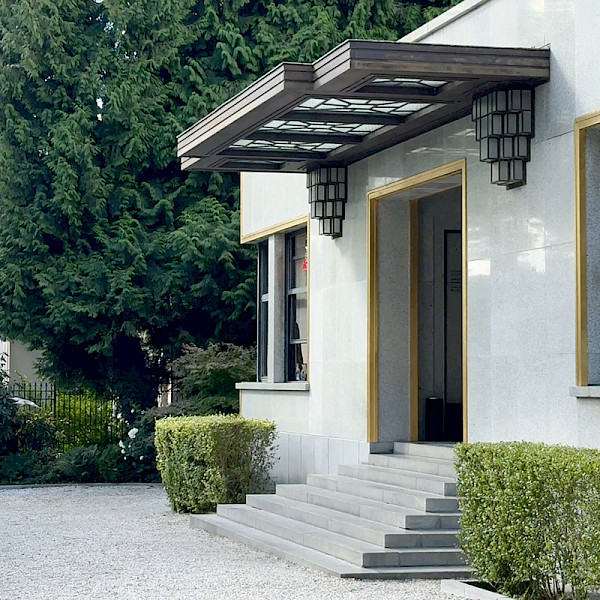
Art Deco is an artistic movement that developed mainly during the interwar period. This movement promoted a new aesthetic that is elegant, luxurious, and decidedly modern. It is expressed through geometric shapes and patterns, lustrous materials, contrasting colours with gold or silver accents, and a taste for precious materials or their imitations.
Its sources of inspiration are diverse, ranging from Antiquity to exoticism and even to symbols of contemporary life (motorcars, skyscrapers).
The term “Art Deco” first appeared in a 1966 Times article, referring to the International Exhibition of Modern Decorative and Industrial Arts held in Paris in 1925—although that exhibition was not specifically a manifesto of the movement. This style is primarily decorative and finds its fullest expression in interior design.
Art Deco aimed to capture the spirit of the times: In the aftermath of World War I, society was infused with a sense of renewal. The development
of new industrial materials made it possible to commercialise the style.
Thanks to the 1924 co-ownership law, apartment living became the new way of life. The (r)evolution of social norms led to the development of sports facilities (stadiums, solariums, sports clubs) and the rising popularity of entertainment venues (jazz clubs, cinemas). The era was also marked by the emancipation of women, which led to the rise of new, typically female professions (secretary, typist, telephone operator) and the commercialization of their skills (hair salons, fashion houses). For the first time, fashion began to focus on the active woman.
Paula DUMONT,
urban.brussels
A little history
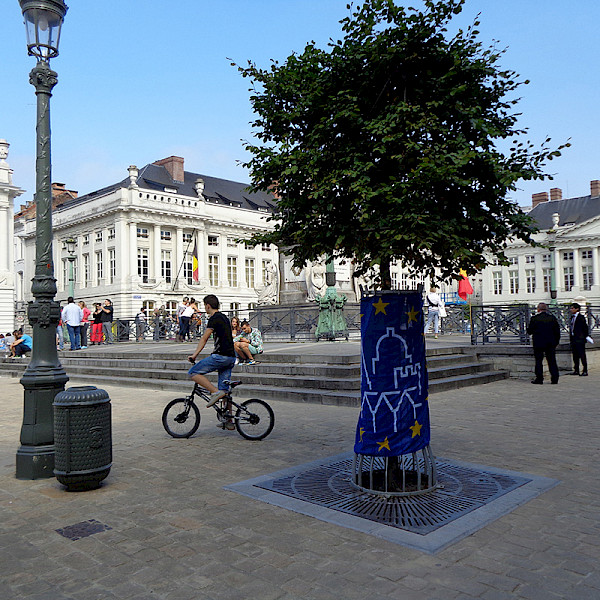
The Heritage Days were established in France in 1984, when the ‘Open Days’ (Journées Portes Ouvertes) were organised for the first time. It was immediately a great success and the idea was quickly adopted by other countries in Europe. Belgium was the fifth country to join, launching its Heritage Days in 1989. With the Netherlands, Sweden and Malta, our country is one of the pioneers of this great movement which has now been organised in no less than 50 European countries. Today, the Heritage Days have become the biggest cultural event in our country.
While the three regions each run Heritage Days differently, the core idea is always the same: to give the widest possible audience access to our heritage treasures, many of which open especially for the event.
Year after year, the great attendance proves the event’s popularity. The Heritage Days help raise awareness of heritage preservation, giving visitors the chance to explore not only prestigious monuments but also natural and archaeological sites.
In other regions
The weekend preceding the Heritage Days in the Brussels Capital Region, Flanders and Wallonia invite you to explore their heritage.
Wallonia, on 13th and 14th September
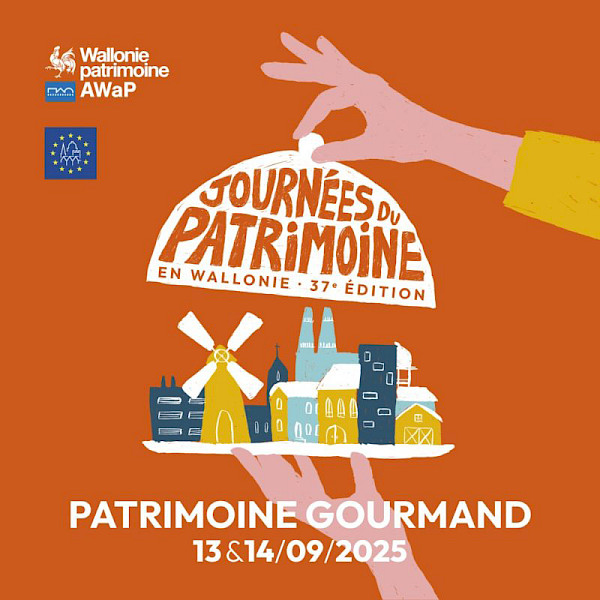
The 37th edition of the Heritage Days in Wallonia, with the mouth-watering theme "gastronomic heritage," invites the public to rediscover one of the oldest human activities: from hunting and gathering to refined culinary traditions all throughout history. Since the Neolithic period, humans have produced what they need to survive, and these activities have left countless traces in our environment. The unveiling of this gastronomic heritage on 13 and 14 September 2025 promises to offer a lot of surprising discoveries.
Besides this theme, all heritage sites in Wallonia will once again welcome the public, like every year.
www.journeesdupatrimoine.be
Flanders, 14 September
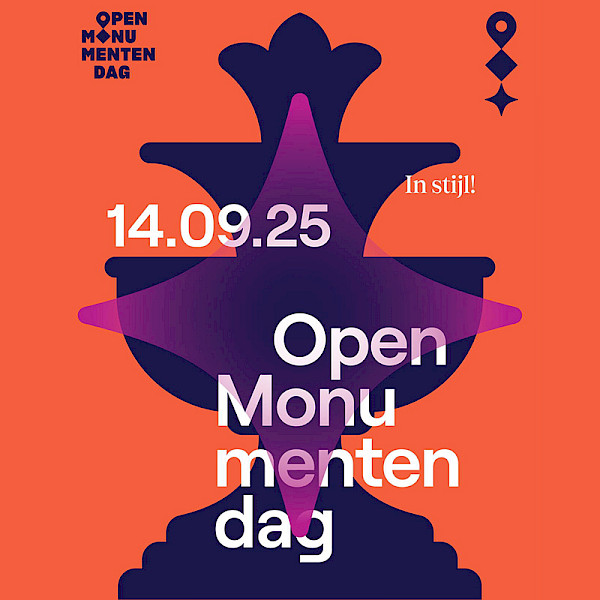
On Sunday, 14 September 2025, more than 800 monuments in Flanders will open their doors for the 37th edition of the Heritage days. The focus this year is on architectural heritage. Under the banner "In Style!", visitors will discover the many architectural styles that brighten up our cities and towns.
Moreover, with their Art Deco activities as part of the ‘100 Years of Art Deco’ celebrations, Flanders will set the tone a week earlier and invites the public to join in celebrating this exceptional heritage. Explore their rich programme here: https://www.openmonumentendag.be/art-deco
Follow the trail of both familiar and lesser-known architects, builders, and craftsmen, and admire the distinctive architecture of churches, military heritage sites, as well as parks and gardens.
Antwerp is the host city of this ultra stylish edition.
http://www.openmonumentendag.be
In Europe
The Heritage Days have been organised in Belgium since 1989.
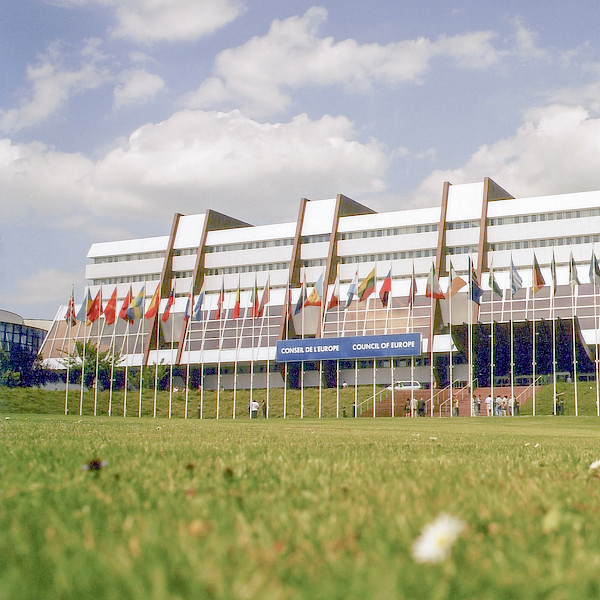
Attracting thousands of visitors every year, these days are now organised in the 49 states that have signed the European Cultural Convention, under the name European Heritage Days.
During September weekends, European Heritage Days welcome the public to sites and monuments across Europe, many of which are usually closed to the public. By enabling European citizens to explore and learn about their shared cultural heritage, the initiative encourages them to take an active role in its preservation and development for present and future generations.
Information on European Heritage Days in other countries is available at the website www.europeanheritagedays.com.